Kauai Whale Season Guide 2026
Everything you need to know about the 2026 humpback whale migration to Kauai.
Seasonal Overview
The annual migration of the North Pacific humpback whales (Koholā) is one of Kauai's most spectacular natural events. These majestic creatures travel over 3,000 miles from their feeding grounds in Alaska to the warm, protected waters of Hawaii to mate, give birth, and nurse their young.
2026 Season Timeline
-
November - December: The Arrival
The first sightings usually occur in late November. By December, the numbers are steadily increasing as more whales arrive from the north. -
January - March: Peak Season
This is the prime time for whale watching on Kauai. The density of whales is at its highest, and sightings are prolific across all shores. -
April - May: The Departure
As the waters begin to warm further, the whales start their long journey back to Alaska. Sightings become less frequent but often include mothers and their growing calves.
Why Kauai is Unique for Whale Watching
Unlike the shallow channels between Maui, Molokai, and Lanai, Kauai's waters drop off quickly. This means whales often come closer to shore, especially on the North and South shores. The dramatic backdrop of the Napali Coast offers a world-class setting for boat-based sightings.
Insider Tip for 2026
If you're visiting in mid-February, look out for the "Whale Count" events where volunteers track sightings from shore. It's a great time to learn from locals and experts.
Whale Behaviors to Look For
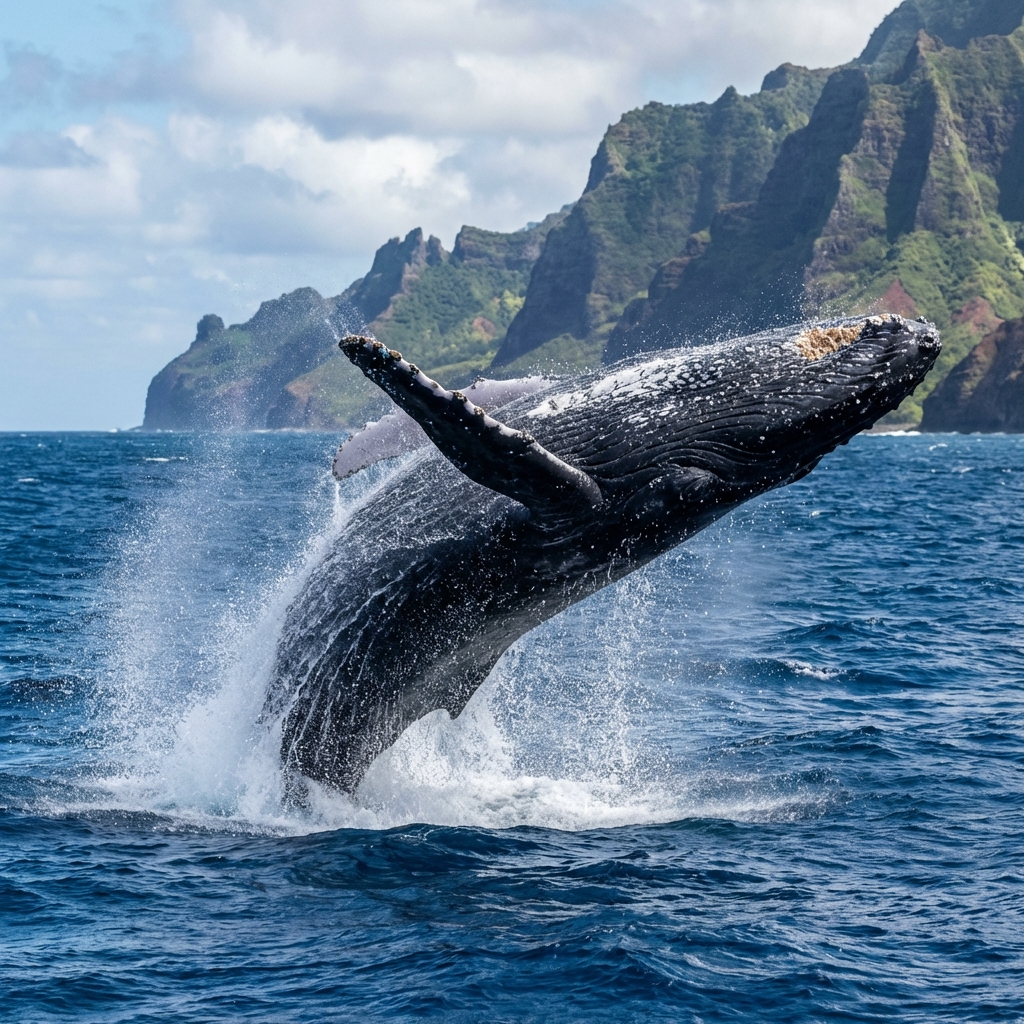
The Breach
The most spectacular sight—a whale launching most of its body out of the water.
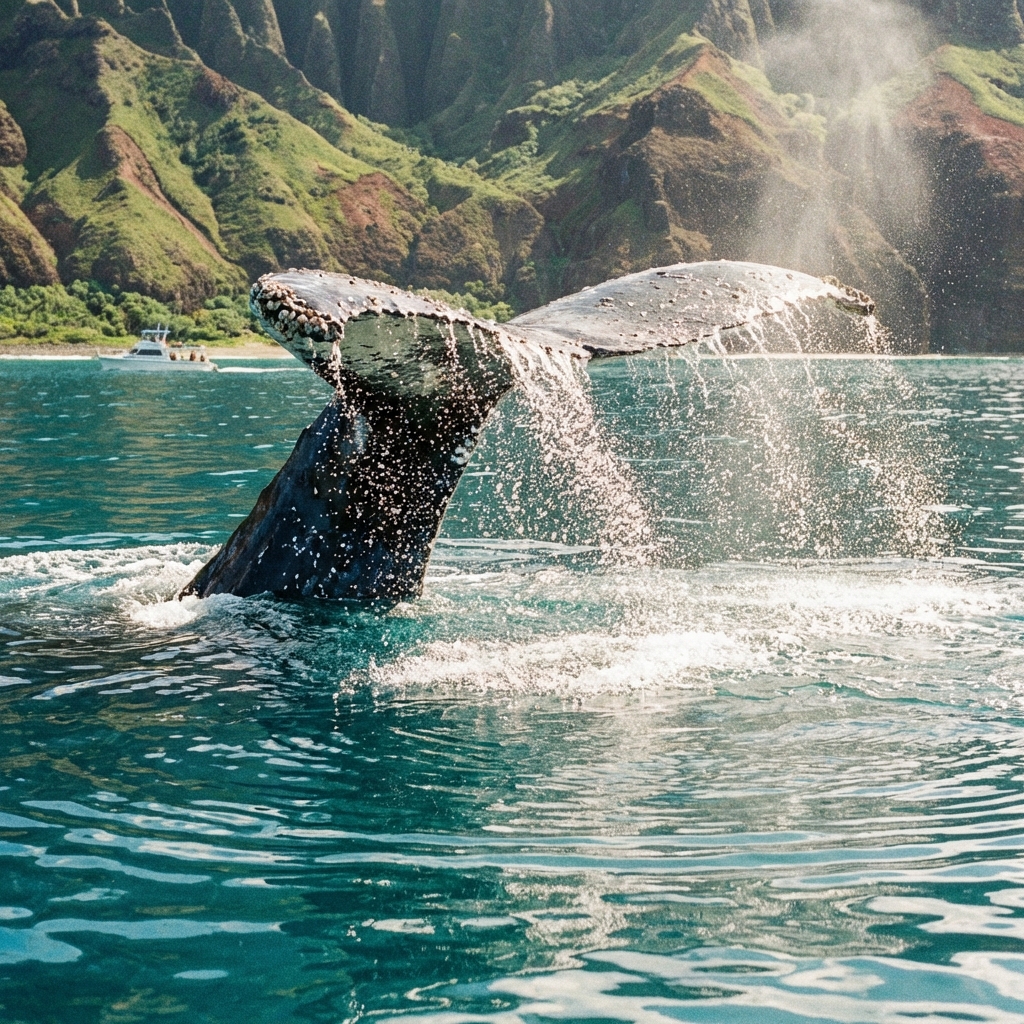
Tail Slap
The whale repeatedly slaps its massive tail (flukes) against the surface.
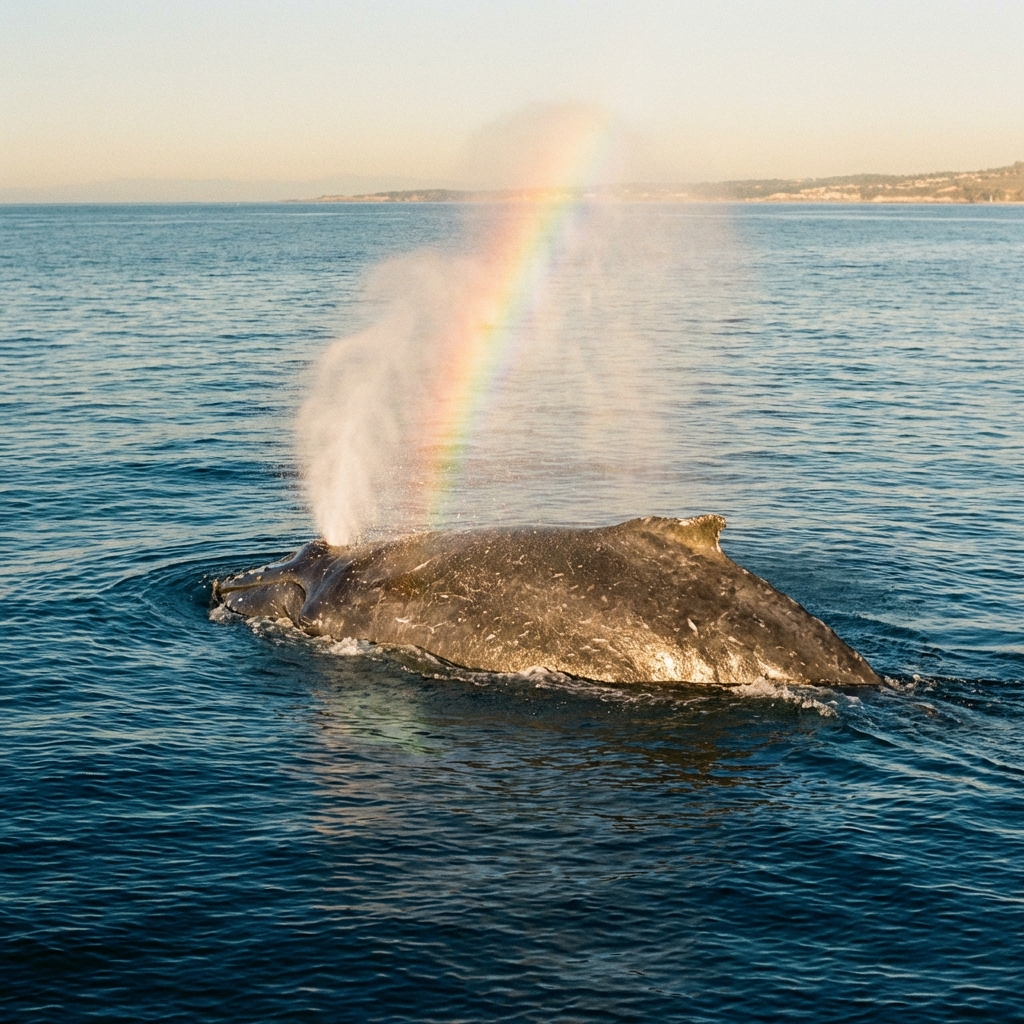
The Blow
A cloud of mist as the whale exhales. This is often the first thing you'll spot from a distance.